
Specialized Services

Binocular Vision Disorders
Binocular vision is how your two eyes work together to create one clear, single image. When this teamwork breaks down, the eyes may not align properly, or they may struggle to focus simultaneously. This can lead to symptoms such as:
- Double vision (seeing two of the same image)
- Headaches or eye strain after reading or screen use
- Difficulty concentrating on close-up tasks
- Poor depth perception (trouble judging distances)

Common Types of BVD
-
- Convergence Insufficiency: The eyes don’t turn inward easily when looking at something close, making reading or computer work tiring.
- Strabismus (Eye Turn): One eye may point in a different direction, causing misalignment.
- Amblyopia (Lazy Eye): One eye doesn’t develop normal vision, often because the brain favours the other eye.
- Accommodative Dysfunction: Trouble focusing clearly when switching between near and far objects.

Binocular vision is how your two eyes work together to create one clear, single image. When this teamwork breaks down, the eyes may not align properly, or they may struggle to focus simultaneously. This can lead to symptoms such as:
- Vision therapy (eye exercises to retrain coordination)
- Prism lenses (special glasses that help the eyes align)
- Corrective lenses for focusing problems
- Lifestyle guidance to reduce strain during close-up work
Our goal is to restore comfortable, efficient vision so that everyday tasks, whether reading a book, working on a computer, or playing sports, become easier and less tiring.
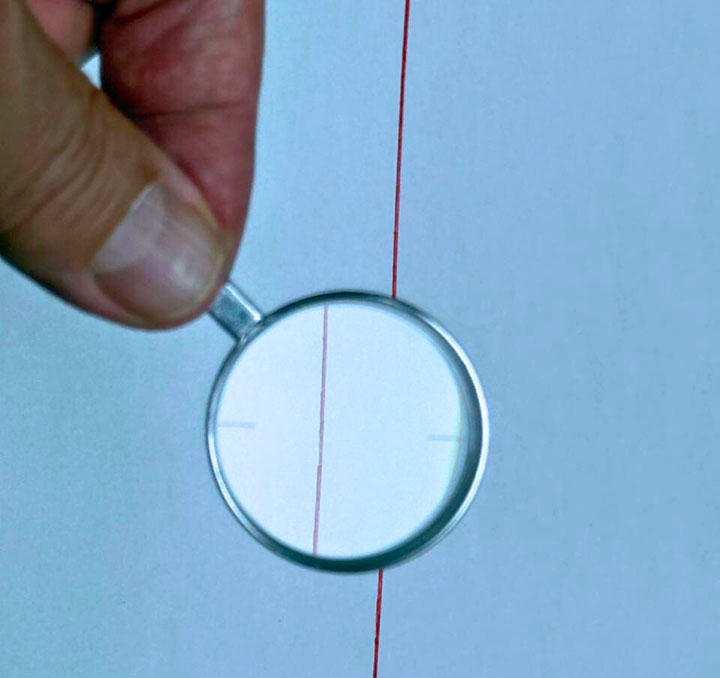
Want to see how prisms and visual therapy can make a real difference?
Watch Johan’s videos to learn how these treatments help restore comfort, clarity, and balance.
Binocular Vision & Posture
When the eyes don’t work together properly (a binocular vision disorder), the brain struggles to align visual input. This can cause dizziness, imbalance, or difficulty judging space — often leading to postural instability.
Although we are optometrists, we focus on postural stability because vision and balance are closely linked. By improving how the eyes coordinate, we help patients feel steadier, reduce strain, and improve daily comfort and safety.
Postural Stability
Why Vision Is So Important for Balance?
Staying upright and steady might feel effortless, but your body is constantly working behind the scenes to keep you balanced. Three main systems help with this:
- Your eyes (vision)
- Your inner ear (vestibular system)
- Your muscles and joints (proprioception)
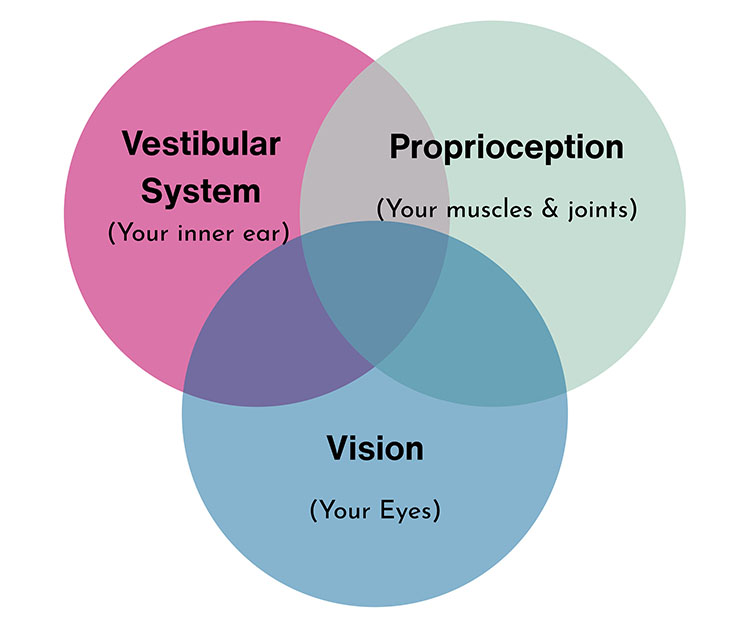
Of these, vision is often the most noticeable — and the one people rely on most.
How Your Eyes Help You Stay Steady
- Seeing Your Surroundings: Your eyes tell your brain where you are in relation to the world around you. This helps you know if you’re standing straight, leaning, or moving.
- Spotting Hazards: Vision helps you detect obstacles, uneven ground, or changes in surface so you can adjust before you lose balance.
- Fine‑Tuning Movements: When you sway or shift, your eyes give feedback that allows your body to correct itself quickly.
Why Vision Plays a Bigger Role in the Elderly
- Increased Visual Dependence: Research shows that older adults rely more heavily on visual cues to stay balanced compared to younger people. When vision is blurred or removed, their stability decreases significantly.
- Decline in Other Systems: The vestibular system and proprioception become less sensitive with age. This means the body leans more on vision to compensate for reduced inner ear and muscle feedback.
- Common Eye Conditions: Cataracts, glaucoma, macular degeneration, and diabetic retinopathy are more common in older adults. These conditions interfere with clear vision and directly increase the risk of imbalance and falls.
- Impact of Refractive Blur: Even mild vision problems, like uncorrected refractive errors, can significantly impair balance in elderly individuals, especially when other sensory systems are challenged.
What Happens Without Vision?
You’ve probably noticed that standing still with your eyes closed feels harder. That’s because:
- Without visual cues, your body relies more on your inner ear and muscles.
- People tend to sway more and feel less stable when vision is removed.
- Poor eyesight or eye conditions can increase the risk of falls, especially in older adults.
Everyday Examples
- Walking in the dark: Without light, balance becomes more difficult because your eyes can’t guide you.
- Sports and performance: Athletes often use visual focus techniques (like fixing their gaze on a point) to stay steady during complex movements.
- Home safety: Good lighting and clear vision reduce the risk of tripping or falling.
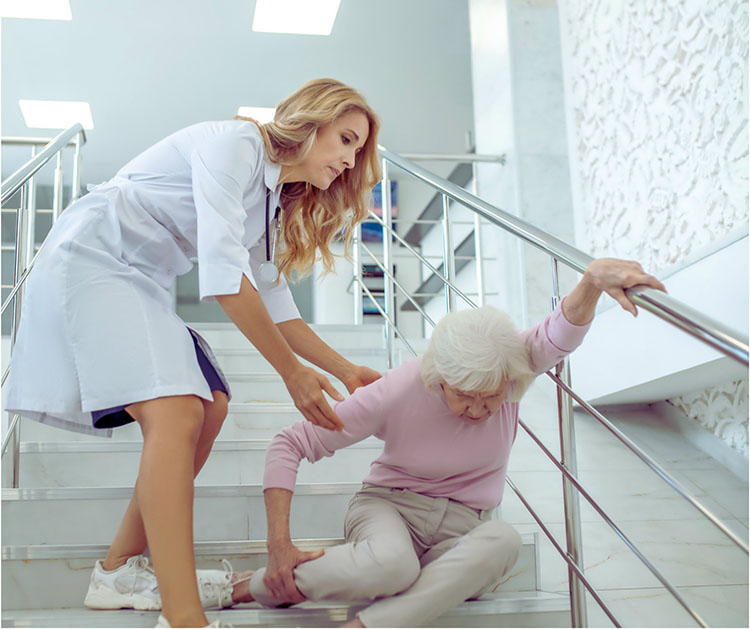
Discover how vision therapy supports steadiness and balance.
Watch Johan’s videos — How to Regain Your Balance Using Vision Therapy and The Visual Pillar of Balance — to see how clearer vision can help restore stability in daily life.
Myopia Control
Myopia (short-sightedness) is one of the fastest-growing eye conditions worldwide, especially among children. It happens when the eye grows too long, causing distant objects to appear blurry. The problem isn’t just needing stronger glasses.

Unchecked myopia can increase the risk of serious eye diseases later in life, such as:
Why Myopia Is Increasing
- Children today spend more time on close-up tasks like reading, tablets, and smartphones.
- Less time outdoors means less opportunity for the eyes to relax and focus on a distance.
- This combination accelerates the progression of myopia, making early intervention essential.

How We Help
We use advanced lens technologies that are proven to slow down myopia progression:
- MiYOSMART Lenses (by HOYA)
These are specially designed spectacle lenses that use D.I.M.S. (Defocus Incorporated Multiple Segments) Technology. They provide clear vision while simultaneously creating a treatment effect that slows eye growth. Clinical studies show sustained effectiveness over many years.
Learn more: https://www.hoyavision.com/vision-products/miyosmartVr25
[Insert image of MioSmart provided]
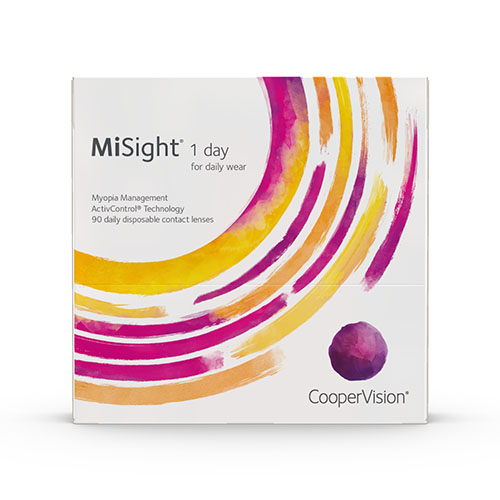
- MiSight® 1 Day Contact Lenses (by CooperVision)
These are soft daily disposable contact lenses, FDA‑approved for children aged 8–12 at the start of treatment. They correct vision while using ActivControl® Technology to slow down myopia progression. Studies show they help children see clearly while reducing the risk of worsening eyesight as they grow.
Learn more: https://www.misight.com/
By combining lifestyle advice (like encouraging outdoor play and managing screen time) with these cutting-edge lens technologies, we give children the best chance to maintain healthy vision for life.
Discover how screen habits can affect your child’s eyesight.
Watch Johan’s video to learn why managing screen time is key to protecting young eyes.
See how myopia control makes a real difference.
In this video, Johan shares a patient’s MiSight journey — a testimony of clearer vision and brighter futures.
Diabetic Eye Care
Diabetes can damage the delicate blood vessels in the retina, leading to diabetic retinopathy. A condition that may cause vision loss if not detected early. Symptoms often don’t appear until the disease is advanced, making regular screening essential.
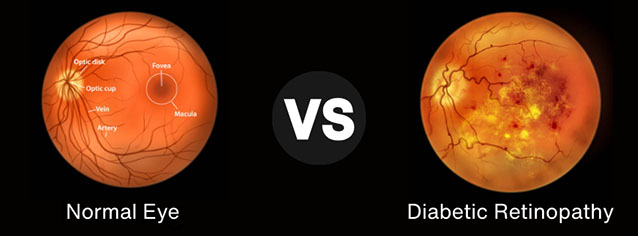
We perform detailed retinal examinations to detect early changes, even before vision is affected. By sharing results with your GP, we ensure a seamless approach to managing your overall health. Early detection and timely treatment can prevent up to 90% of vision loss from diabetic retinopathy, making regular screening a vital part of diabetic care.
We also maintain close relationships with ophthalmologists in the Helderberg area. If our examinations detect signs of diabetic eye damage, we can arrange urgent specialist attention without delay. This ensures that patients receive the right care at the right time, reducing the risk of vision loss and supporting long-term eye health.
Partner GPs in the Helderberg Area
We are proud to work closely with a network of trusted GPs in the Helderberg community. This collaboration ensures that patients referred to us receive coordinated care and timely access to diabetic eye screening.
If your GP is one of our partner doctors and refers you to our practice, you qualify for a special reduced fee of only R99 for your diabetic eye examination. This partnership makes it easier and more affordable to protect your vision while keeping your overall health in focus.
Together with these caring Helderberg practices, we’re helping our community understand the risks diabetes poses to eye health:
- Dr Jooste & Partners 021 856 2504
- Dr A Qureshi 021 137 5419
- Dr D Barnard & Partners 021 845 9213
- Dr Fanie Botha 021 853 8110
- Strand Medical Practice 021 854 3300
- Dr AH Olivier & Partners 021 853 3355
- Dr SW Johnson 021 853 8846
- Dr FJ Brown & HM Kearney 021 853 3666
- Helderberg Centre Doctors 021 850 0507
- Dr S Ferreira & Partner 021 300 1313
- Jakswa Medical Centre 021 852 6645
- Dr Gosling & Neethling 021 852 2795
- Helderberg Family Practice 021 205 1146
- New Street Surgery 021 851 6536
- Fairview Family Practice 021 851 0665
- Dr Erika Viljoen 021 851 7017
- Dr CJ Malherbe 021 853 1177
Small changes can make a big difference.
Watch Johan’s video Simple Lifestyle Hacks to Lower Diabetic Vision Risks as You Age to learn practical ways to protect your sight and stay healthy.
Book an Appointment
Medical Aids





Our Brands